
Hong Kong Monetary Authority Launches CMU Digital Asset Platform for Tokenised Bonds, With Ten Banks as First Direct Participants
Source: hkma.gov.hk
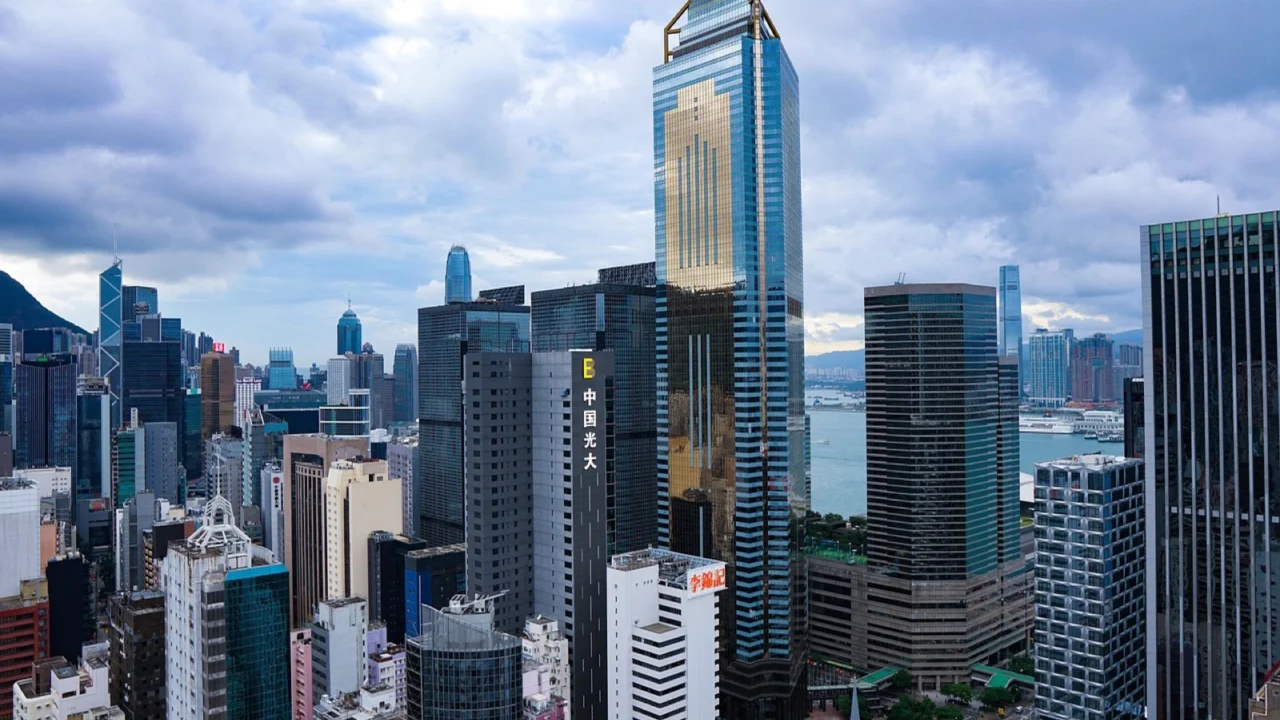
Image: blazejosh on Pixabay
Tech news by email, once a week
Unsubscribe any time. Privacy policy
The Hong Kong Monetary Authority launched the CMU Digital Asset Platform on 25 November 2026. It is a distributed-ledger system for issuing, settling and holding debt securities, and ten financial institutions are its first direct participants, the HKMA said in its announcement. HSBC, Standard Chartered, Bank of China (Hong Kong) and DBS are among them. The names of the other six were not in the material reviewed for this report.
CMU OmniClear, the HKMA's clearing and settlement operator, builds and runs the platform on the authority's behalf. The HKMA said the platform covers debt securities first. It handles a bond's life without paper, from issuance through coupon payments to redemption.
What the platform does at launch
Bonds on the platform can be issued natively as tokens, and existing debt securities can be tokenised. Settlement runs around the clock in several currencies, using cash tokens. The HKMA described direct links to the interbank payment system and to central bank digital currency infrastructure, which would let cash move on the same ledger as the securities.
The HKMA and CMU OmniClear also set out a wider plan. The platform is meant to extend to investment funds and other real-world assets, and to connect with tokenised deposits and regulated stablecoins. Those are plans, not features of the launch.
The announcement did not say which bonds will go on the platform first or when the first issue is due. It also did not give a fee schedule. Neither the HKMA nor CMU OmniClear has published pricing in the material reviewed here, and the platform is not a product for individuals. The participants are institutions, and there is no sign-up or app for retail users in Hong Kong, the US or the UK.
How the earlier government green bonds paved the way
Hong Kong has issued tokenised government bonds since 2023 under Project Evergreen. The first, in February 2023, was an HK$800 million tokenised green bond. The government described it as the first tokenised green bond issued by a government. A second offering in February 2024 added multiple currencies and a hybrid design. Investors could hold the bonds directly on the digital platform or through the HKMA's existing clearing system, which links to Euroclear and Clearstream.
The third offering, in November 2025, reached HK$10 billion on HSBC's Orion platform, according to an HKMA release. A fourth followed in September 2026. In those deals the issuer picked a bank-run technology provider for the ledger and the HKMA's existing system handled the connection to wider markets. The new platform moves that function into infrastructure that CMU OmniClear owns and operates, and any participant can use it.
The government laid the groundwork this year. In June 2026 the HKMA set up a Tokenised Bond Expert Group with industry members. Later that month the Financial Services and the Treasury Bureau and the HKMA said a first-phase review found the current legal framework already works for tokenised bonds. The next phase is a legislative review, due to start in the second half of 2026. It will look at electronic execution of issuance documents and at defining "possession" and "transfer" for tokenised fixed-income products. The authorities did not say when it would conclude, so any rule changes remain unannounced.
How Singapore's approach differs
The closest rival effort is in Singapore. On 19 November 2026 the Monetary Authority of Singapore said it had issued S$100 million of four-week tokenised MAS Bills on 6 November, settled in wholesale central bank digital currency on its Singapore Dollar Test Network. The bills mature on 4 December. MAS said five primary dealers took part and that applications exceeded twice the issue size. It plans larger issues, more participants and use as collateral, and it is renaming the network the SG Digital Ledger. Singapore Exchange said it intends to explore using the bills as collateral.
The two projects differ in design. Singapore's issuer is the central bank, and the bills sit on a test network. Hong Kong has built a standing platform for any debt issuer through its securities settlement operator, with ten banks connected on day one. Neither has shown a large, liquid secondary market in tokenised bonds, and Singapore's issue was small.
Hong Kong is moving on other tokenisation fronts as well. Earlier this month BlackRock opened a tokenised Hong Kong dollar money market fund to retail and institutional investors in the city. Nothing in the HKMA announcement links that fund to the new platform, and the funds roadmap is separate.
Open questions for banks and issuers
Four things are still unconfirmed. The first is the full participant list, since only four of the ten names are public. The second is the launch pipeline, meaning which issuers, currencies and sizes will be first. The third is the timeline for the tokenised-deposit and stablecoin connections. The HKMA has several tokenised-deposit pilots running under Project Ensemble, but it has not said when those will settle on this platform. The fourth is whether the legal review will change anything for investors holding tokenised bonds across borders.
A ledger that runs around the clock also raises operational questions. Banks must decide how to fund and manage liquidity outside normal market hours. The HKMA has not published rules on that for participants.
What readers can do now
For most people, nothing changes today. The platform serves institutions, and its first securities have not been named. Readers who follow the topic can check three places for updates: the HKMA press release page, the CMU OmniClear website for any participant or fee notices, and the EvergreenHub page the HKMA keeps for government tokenised bond offerings. Anyone with a bank or broker that offers Hong Kong tokenised products should ask what legal claim they hold, and in which custodian's name it is recorded. That detail will matter more once the legal review finishes.
The HKMA has not said when it will report on adoption. Whether a second wave of issuers, funds or stablecoin settlement follows is the next thing to check.
Featured image: blazejosh on Pixabay
Get the week's tech news by email
One email a week with Trendblog's stories on AI, hardware, apps and crypto.
We'll email you to confirm your address. Unsubscribe any time. Privacy policy