


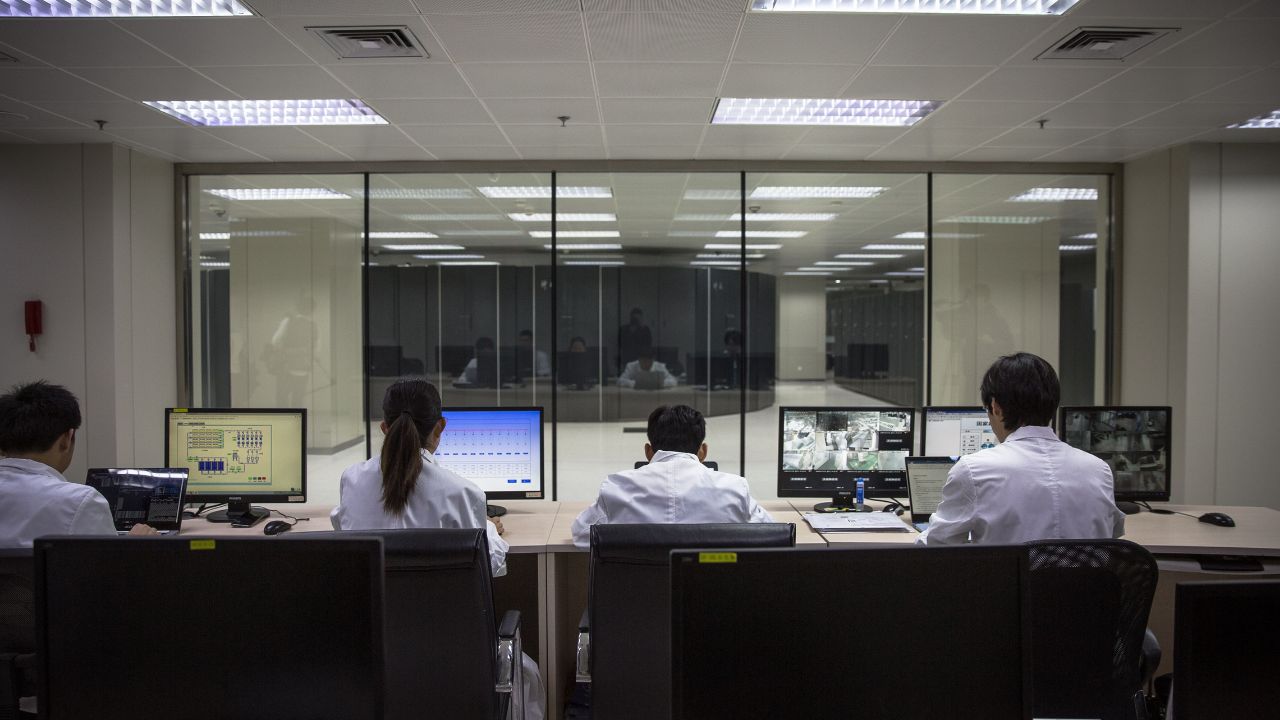
A major cybersecurity incident involving a Chinese supercomputer has shocked the global tech and defense community. According to recent reports, a hacker has allegedly breached a state-run Chinese supercomputer and stolen an enormous amount of highly sensitive data.
This incident is being described by experts as one of the largest data breaches in China’s history, raising serious concerns about cybersecurity, national security, and the protection of critical infrastructure.
Table of Contents
What Happened in the China Supercomputer Hack
The breach reportedly targeted a major national supercomputing center in China. These facilities are not ordinary data centers. They support thousands of organizations, including research institutions, universities, and even defense-related projects.
According to reports, the hacker managed to extract more than 10 petabytes of data, which is an extremely large amount of information.
To put this into perspective, this volume of data could include millions of documents, research files, and technical datasets.
Even more concerning is the type of data that may have been compromised. Early findings suggest the leak could include:
- Defense-related documents
- Missile and aerospace research
- Scientific simulations and engineering data
- Bioinformatics and advanced research material
If verified, this would make the breach extremely serious from both a technological and geopolitical standpoint.
How the Hack Allegedly Happened
One of the most surprising aspects of this incident is how the hacker reportedly gained access.
Cybersecurity experts who reviewed the leaked samples believe the attacker was able to infiltrate the system with relatively little resistance and remain undetected for months.
This suggests potential weaknesses in system monitoring, access control, or internal security protocols.
The hacker, using an online alias, has already shared sample data and is reportedly attempting to sell the full dataset on online platforms.
If true, this could turn the breach into not just a security issue, but also a major data trafficking case.
Why China’s Supercomputers Are So Important
Supercomputers play a critical role in modern economies and national defense systems.
In China, these systems are used for:
- Advanced scientific research
- Military simulations
- Aerospace development
- Artificial intelligence training
- Climate modeling and large-scale data analysis
Because of their importance, these systems are usually considered high-value targets for cyberattacks.
A breach at this level is not just about stolen data. It could potentially expose sensitive research, intellectual property, and strategic capabilities.
Global Cybersecurity Implications
This incident highlights a broader issue in global cybersecurity. Even highly advanced systems are not immune to attacks.
Over the past few years, cyberattacks have become more sophisticated and frequent. Governments, corporations, and research institutions are all potential targets.
China itself has often been linked to major cyber espionage campaigns, with various groups accused of targeting foreign infrastructure and companies.
Now, this situation shows that no country is completely safe from similar threats.
It also raises questions about how sensitive data is stored and protected, especially in centralized systems like supercomputing centers.
Risks of Data Exposure
If the stolen data is authentic and complete, the risks could be significant.
Potential consequences include:
- Exposure of military or defense secrets
- Loss of intellectual property
- Competitive disadvantage in technology development
- Increased geopolitical tensions
Additionally, if the data is sold or shared publicly, it could be accessed by multiple parties, further increasing the risk.
What This Means for the Future
The China supercomputer breach could lead to major changes in how countries approach cybersecurity.
Organizations may start investing more in:
- Advanced threat detection systems
- Zero-trust security frameworks
- Real-time monitoring and response systems
Governments may also introduce stricter regulations to protect critical infrastructure.
This incident could also accelerate the global cybersecurity race, where nations compete not just in technology but also in digital defense capabilities.
Final Thoughts
The alleged hack of a China supercomputer is a reminder of how vulnerable even the most advanced systems can be.
With over 10 petabytes of potentially sensitive data at risk, this incident could have far-reaching consequences across multiple industries and governments.
While investigations are still ongoing, one thing is clear. Cybersecurity is no longer just a technical issue. It is a critical part of national security and global stability.
As technology continues to evolve, protecting large-scale systems like supercomputers will become more important than ever.
