
Justice Department Announces Its “Largest-Ever” Scam Crackdown, With Over 800 Defendants and Crypto Fraud in Focus
Source: justice.gov
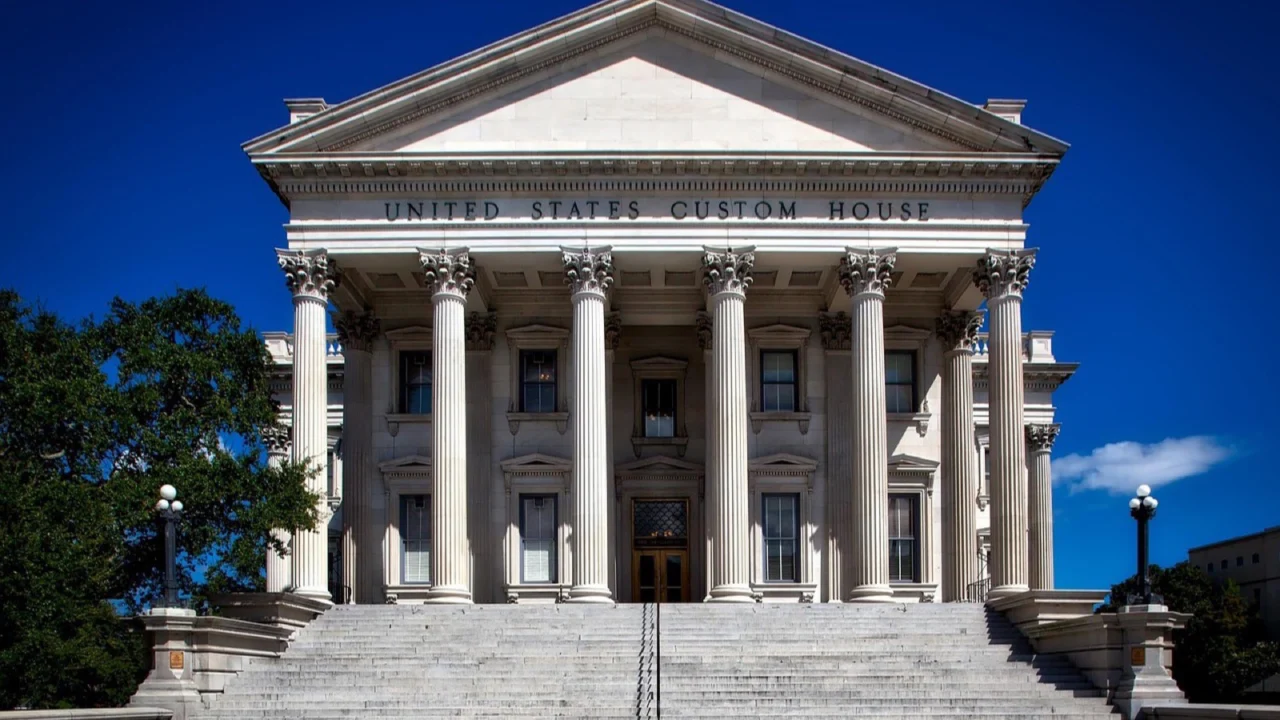
Image: 12019 on Pixabay
Tech news by email, once a week
Unsubscribe any time. Privacy policy
The US Justice Department said on November 24 that prosecutors have acted in more than 400 cases against more than 800 defendants since March, which it called the largest-ever crackdown on scammers. Attorney General Todd Blanche presented the results, and FBI Director Kash Patel cited seizures tied to crypto investment fraud run from overseas scam compounds.
What the department reported
According to the department's announcement, the count covers actions taken since President Trump's March 6 executive order on fraud. Those actions include new charges, extraditions, guilty verdicts and sentences, so the 800-plus figure is a tally of defendants at different stages and not 800 new indictments. The department said Blanche described the results as "just the beginning."
Other agencies added their own numbers. The department said the FBI's Operation Blackout, its campaign against foreign scam compounds that target Americans, has seized nearly $17 billion in illicit funds. Homeland Security Investigations made more than 300 arrests, and the Secret Service restrained more than $200 million. The release also cites a Gallup estimate that Americans lost $68 billion to scams in 2025. We have not checked that estimate against Gallup's own publication.
US attorney's offices in several districts, including San Diego, Buffalo, Utah, Arizona and Western Pennsylvania, issued shorter releases the same day listing their local contributions.
The $17 billion figure rests mostly on one case
The Operation Blackout number needs care. A September report quoted Patel giving the same roughly $17 billion figure, while a separate analysis of his public statements put the total nearer $15 billion. That analysis found that almost all of it comes from the roughly 127,271 bitcoin in the civil forfeiture action against the Prince Group, whose chairman Chen Zhi has been indicted. A forfeiture complaint is a request to a court. It is not a completed forfeiture, and the value of the coins moves with the market.
The FBI's own, smaller Operation Blackout figures point the same way. The bureau has said it notified 10,406 victims, prevented an estimated $660 million in losses and seized or froze a further $122 million in cryptocurrency. The department has not published a breakdown of the $17 billion by case or by asset type.
How this builds on the Scam Center Strike Force
The announcement follows a run of narrower crypto actions. The Justice Department-led Scam Center Strike Force launched in November 2025 to go after compounds in Southeast Asia, concentrated in Myanmar. By late February 2026 the Washington, DC, US attorney's office said the Strike Force's freezes and seizures had passed $580 million. That number combines frozen, seized and forfeited assets, so it is not a count of money already returned to victims.
On June 23 the department seized a cloud computing account that hosted backend systems for subsidiaries of Cambodia's Huione Group, including its Huione Guarantee marketplace. The US Treasury's financial crimes unit, FinCEN, has found that the group laundered at least $4 billion in illicit proceeds between August 2021 and January 2025. Stablecoin issuers have also taken part. Tether has said it has frozen about $4.2 billion in assets linked to illicit activity, and it helped move $61 million in USDT that federal prosecutors in North Carolina seized in February.
The difference this time is breadth. Earlier announcements covered one seizure or one compound. The November 24 release bundles prosecutions, arrests, restraints and extraditions from many offices and agencies, and it counts them under a single government-wide fraud effort.
What users and platforms face
The direct targets are the scam operators and their laundering channels, not ordinary crypto holders. For exchanges, stablecoin issuers and payment services, the pattern is the more relevant part. The department has repeatedly asked industry partners to freeze funds and has seized infrastructure such as cloud accounts. Platforms that handle flows connected to the named networks should expect more freeze requests and more forfeiture complaints naming specific wallet addresses.
Victims have a mixed picture. The FBI's 2025 Internet Crime Complaint Center report put reported losses from crypto investment fraud at $7.2 billion, the largest single category in a total of $20.877 billion. Seizure totals in the billions are small next to that, and the department has not said how much of the seized money has been or will be returned. Forfeiture cases typically take months or years, and victims usually need to file claims through a process the court or the department sets up case by case.
Questions the announcement leaves open
- The department has not said how much of the $17 billion has been finally forfeited, and how much is still in contested proceedings.
- It has not published a split between crypto assets and other seized property.
- It has not given a timeline or a process for compensating victims from the Prince Group bitcoin.
- The "largest-ever" label is the department's own. It has not published the comparison it is using, such as an earlier surge measured by defendants or by dollars.
- The release says nothing about how many of the 800 defendants are charged specifically with crypto-related offences.
How the UK compares
The UK has used a smaller, shorter model. In March the National Crime Agency led Operation Atlantic, a week-long sprint from March 16 to 20 with US agencies and exchanges including Coinbase and Binance. The agency said it froze more than $12 million and identified more than 20,000 victims, and that partners flagged about $45 million in stolen funds. Action Fraud has since been replaced by Report Fraud as the place UK victims file reports, and the Home Office's 2026 to 2029 fraud strategy names crypto scams as a growing threat. Unlike the US effort, the UK has not announced a government-wide enforcement total.
What readers can do now
If you or a relative lost money to a fake crypto investment platform, the FBI asks for a complaint at IC3.gov, even if the loss is small. Include wallet addresses, amounts, token types, transaction hashes and the dates and times of each transfer. Those details are what prosecutors use to trace funds and tie a victim to a seizure. UK residents report through Report Fraud.
Keep screenshots of the chats, the platform's website and any withdrawal-fee demands, since the FBI says scammers often tell victims to pay a fee before they can withdraw. Be wary of anyone who contacts you offering to recover lost crypto for an upfront payment. The FBI has flagged recovery scams as a second wave aimed at past victims, and it says no genuine law enforcement official will ask for payment through a crypto ATM.
People who think a seizure involved their funds should watch for notices in the relevant court docket or the department's victim assistance pages, and should not pay anyone who offers to file a claim for them. The department's release lists no single claims portal for this surge.
Sources: Justice Department announcement.
Featured image: 12019 on Pixabay
Get the week's tech news by email
One email a week with Trendblog's stories on AI, hardware, apps and crypto.
We'll email you to confirm your address. Unsubscribe any time. Privacy policy