

How to Get Gladiator in WoW: Best 3v3 Comps, Cooldown Trading, Positioning, and Ladder Tips

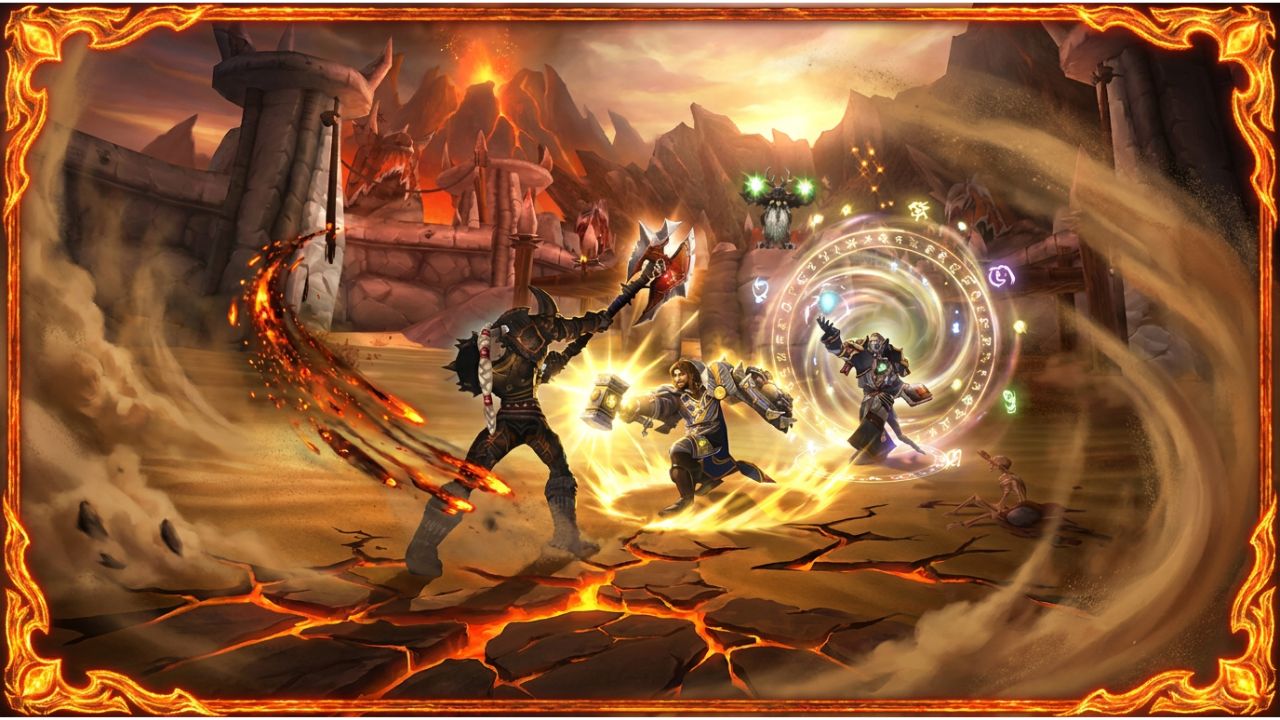
From the outside, getting the WoW Gladiator title often looks like a pure mechanics check. People assume the teams at the top just do more damage, land cleaner crowd control, and play stronger classes. That is part of the picture, but it is not the whole thing. The real climb usually breaks on smaller details: weak comp identity, bad cooldown trades, greedy positioning, and a lack of consistency over long queue sessions.
Modern WoW still treats Gladiator as a high-end 3v3 goal tied to seasonal rewards at the very top of rated arena, while the season-end title remains reserved for the highest slice of the ladder. That’s why learning how to get the Gladiator title is completely worth it — with this knowledge, you can climb the ladder every season and receive title after title.
Table of Contents
Why Gladiator Is One of the Hardest PvP Goals in WoW
The first mistake many teams make is treating Gladiator like a number instead of a standard. If your only plan is “queue until rating goes up,” the climb gets unstable fast. The ladder stops forgiving basic errors once you reach the serious part of the push.
That matters because Gladiator is not earned in one great night. It is built through repeated clean sessions. You need a comp that makes sense, a defensive plan that holds under pressure, and partners who play the same game instead of three separate ones. The teams that get there are rarely perfect. They are just reliable for longer.
Best WoW Arena Comps for a Gladiator Push
Not every strong class combination becomes a strong Gladiator team. The best comps usually have a clear win condition, reliable defensive tools, and enough control to create repeatable pressure. At a higher rating, that matters more than raw class power.
Here are a few classic examples of comps that often stay relevant in WoW PvP Tier Lists:
RMP (Rogue / Mage / Priest)
RMP stays dangerous because it has one of the clearest setup-based win conditions in WoW arena. The comp can control multiple targets, force cooldowns quickly, and convert one clean crowd control chain into a kill window. It also rewards coordination, which is why it often performs well in serious Gladiator pushes.
Jungle Cleave (Feral Druid / Hunter / Healer)
Jungle is strong because it combines heavy pressure with fast setup potential. It can punish bad positioning hard, force defensive cooldowns early, and keep momentum once it gets ahead. This comp often feels oppressive when both DPS players understand swaps and crowd control timing.
TSG (Warrior / Death Knight / Healer)
TSG is one of the most recognizable melee cleaves for a reason. It does not rely on fancy setups as much as some caster-heavy comps. Instead, it wins through constant pressure, disruptive uptime, and punishing defensive mistakes. In long queue sessions, that kind of simple but reliable game plan can be very effective.
How Cooldown Trading Works in WoW Arena
This is where many Duelist-level teams hit a wall. They can create pressure, but they do not trade properly once the game turns against them. One overlapped defensive can lose a round that looked totally playable five seconds earlier.
Good cooldown trading is simple in theory and hard in practice:
- do not overlap major defensives unless the game is actually ending;
- trade smaller buttons before bigger ones when possible;
- track enemy trinkets and offensive cooldowns before committing your own;
- understand whether your comp wins the next go or survives to a later one;
- call the next defensive before panic starts.
A lot of players focus too hard on damage meters. Gladiator-level games are more often decided by who wastes less than by who presses harder. Clean trades keep your healer stable, your positioning flexible, and your next offensive window alive.
WoW Arena Positioning Tips for Gladiator Climbing
Positioning is the part of the arena that looks invisible until you rewatch your losses. Then it becomes obvious.
Many rounds do not fail because a team misses a kill. They fail because someone drifts into a bad angle thirty seconds earlier. A healer walks too far from the pillar. A melee overextends without a retreat path. A caster takes a greedy position and eats avoidable crowd control. Once that happens, the enemy team does not need a miracle setup. They already have the opening.
Good positioning usually comes down to a few habits:
- protect your healer’s line of sight before chasing damage;
- do not stack in ways that invite free crowd control;
- use pillars to deny pressure, not just to hide when you panic;
- push for offense from safe angles, not reckless ones;
- think one step ahead about where the next defensive exchange happens.
Teams pushing Gladiator look calmer, partly because their positioning reduces how many emergencies they create for themselves.
Why Consistency Matters for WoW Gladiator Progression
Plenty of teams can play three amazing games. Far fewer can queue for two hours without their structure falling apart.
That is why consistency matters so much. The real road to Gladiator is not built on highlight clips. It is built on stable voice comms, cleaner resets after losses, and the ability to play your comp the same way even when the lobby changes. Peak performance wins bursts of rating. Consistency protects it.
This is also where fixed partners matter. Constant teammate swaps slow everything down. Even if each replacement is individually strong, the team loses rhythm. Cooldown expectations drift. Positioning habits stop matching. Win conditions get called too late or not at all.
Common Mistakes That Stop Players From Reaching Gladiator in WoW
Most failed pushes look different on the surface but share the same roots underneath.
The common problems are:
- changing partners too often;
- blaming the comp for every loss;
- overlapping major defensives;
- chasing damage when the healer is exposed;
- tunneling one target through bad positioning;
- queuing while tilted after a rough set;
- reviewing matches emotionally instead of clearly.
The top end of the ladder punishes small leaks. A team can survive those mistakes at lower ratings. Near the real reward cutoff, they add up fast.
How to Push Gladiator Rating in WoW 3v3
The hardest part of a serious push is that the ladder feels less random and more expensive. Every bad trade matters more. Every sloppy overlap costs more. Every weak queue session feels like it wastes a whole evening.
That is usually when players start thinking differently about time. Some keep grinding with one fixed roster. Others decide the final stretch is exactly where a WoW Gladiator boost makes sense, especially if the goal is to secure seasonal rewards without relying on unstable partners or inconsistent late-season queues. The appeal to Gladiator boost WoW is not hard to understand: the prestige is real, the margin for error is thin, and the last stretch is usually the least forgiving part of the climb.
The current reward structure reinforces that pressure and makes many players want to buy Gladiator WoW. Seasonal Gladiator rewards remain tied to high-end 3v3 performance, while season-end Gladiator titles sit even higher, reserved for the tiny top percentage of the ladder.
When a WoW Gladiator Structured Help Makes Sense
Not every player looking for help wants the same thing. Some want coaching and VOD review. Some want a stable team for a real push. Others simply want cleaner execution around a reward window they do not trust random partners to handle.
That is why a World of Warcraft Gladiator boost is usually less about skipping PvP entirely and more about removing the weakest variable in the process. For many players, the frustrating part is not their class knowledge. It is unreliable teammates, poor communication, and wasted queue time in the hardest rating range.
In other cases, the interest is more practical. A WoW Gladiator carry can appeal to players who know the reward they want, understand how punishing the top of the ladder feels, and would rather solve the partner problem than spend weeks rebuilding a team from scratch.
You also see this from players who have the skill base but not the schedule. A WoW Glad boost can look reasonable to someone who can play well in short windows but cannot commit to the long, messy ladder grind that Gladiator usually demands.
And yes, the same logic applies to broader approaches like World of Warcraft Glad boost. At the top end, players are usually not buying a mystery box. They are paying for structure, coordination, and fewer wasted nights.
What the Road to Gladiator Teaches You About WoW PvP
Even when the title is the goal, the process teaches more than most players expect.
A real Gladiator push sharpens:
- enemy cooldown tracking;
- healer protection and peel timing;
- offensive patience;
- target swap discipline;
- communication under pressure;
- emotional control after losses.
That is why a high-rated arena often feels cleaner instead of just faster. Good teams are not simply pressing more buttons. They are creating fewer bad situations and recognizing win conditions earlier.
WoW Gladiator FAQ
What bracket is Gladiator usually tied to in modern WoW?
Recent official season pages keep Gladiator-specific seasonal rewards anchored to rated 3v3, while the season-end Gladiator title is reserved for the very top percentage of that ladder.
When do players start looking for outside help?
Usually late in a push, when the reward window feels close and unstable, partners become the biggest obstacle. That is also when terms like Glad boost WoW start showing up more often in the community conversation.
Why do some players look at buy options instead of pure ladder grind?
In most cases, the motive is time efficiency. Players who want to buy WoW Gladiator or only consider searching for Gladiator WoW options are usually reacting to the same problem: the last part of the climb can be brutally dependent on partner quality and schedule alignment.
Is a WoW Gladiator achievement boost the same thing as a learning arena?
No. A WoW Gladiator achievement boost can solve a reward problem. It does not replace the long-term learning that comes from repeated high-rated play.
What is the difference between a Gladiator title boost and a normal rating push?
A Gladiator title boost is reward-focused. A normal push is usually about improving, building team chemistry, and climbing through your own ladder progression over time.
