


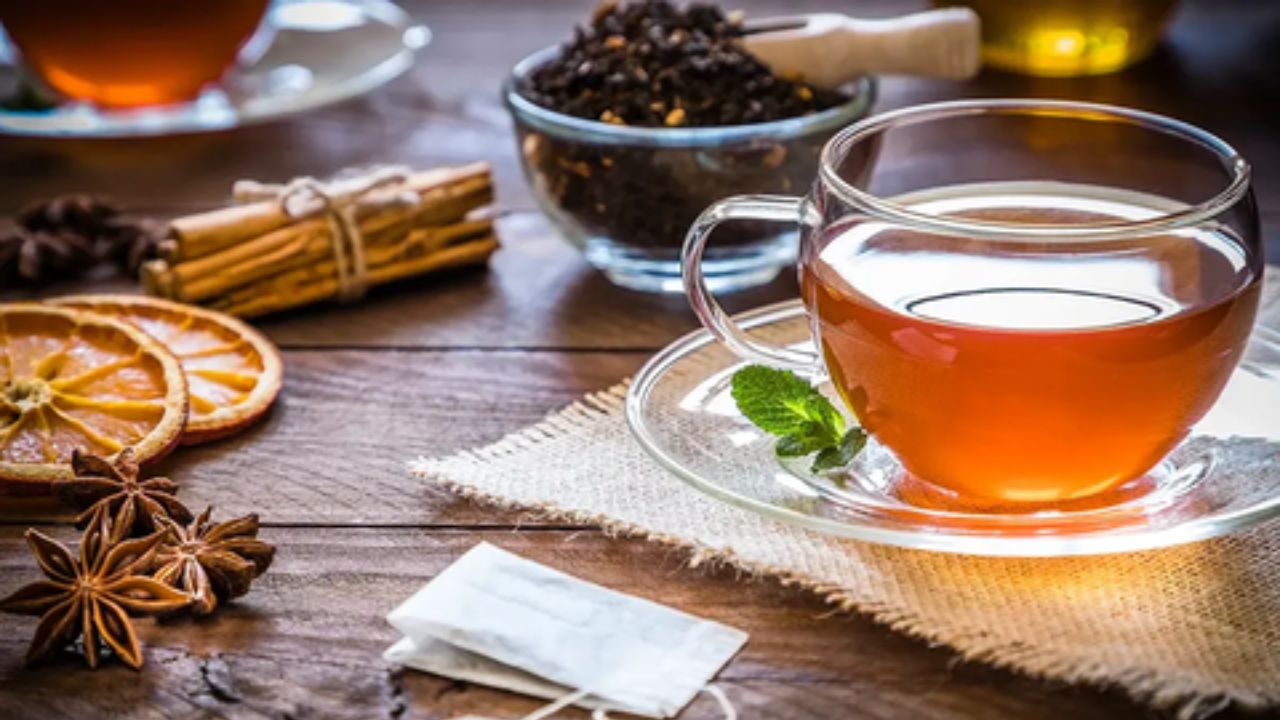
We live in an era obsessed with optimisation. Better sleep stacks. Faster morning routines. Apps that tell you how stressed you are in real time. And somewhere in the middle of all this frantic self-improvement, a quiet counter-movement has been picking up pace, one that involves nothing more than hot water, a small clay pot, and a handful of dried leaves.
Slow tea is not a product. It is not a subscription box or a wellness brand. It is a practice that has existed in China for over a thousand years, and it is finding a surprisingly eager audience among people who are, quite simply, exhausted by the pace of everything else. For those curious to explore this ritual more deeply, resources like Jade & Sakura offer a natural introduction to traditional tea culture and mindful tea preparation.
| In a world engineered for speed, choosing to sit with a single cup of tea for twenty minutes might be the most radical act of slowness available to most of us. |
Table of Contents
What Is “Slow Tea,” Exactly?
The term does not map onto a single tradition. It borrows most heavily from the Chinese practice of gongfu cha, a method of brewing tea using small vessels, precise temperatures, and multiple short infusions rather than one long steep. A single session might last thirty minutes. The same leaves might be brewed eight, ten, or twelve times, each infusion revealing something slightly different.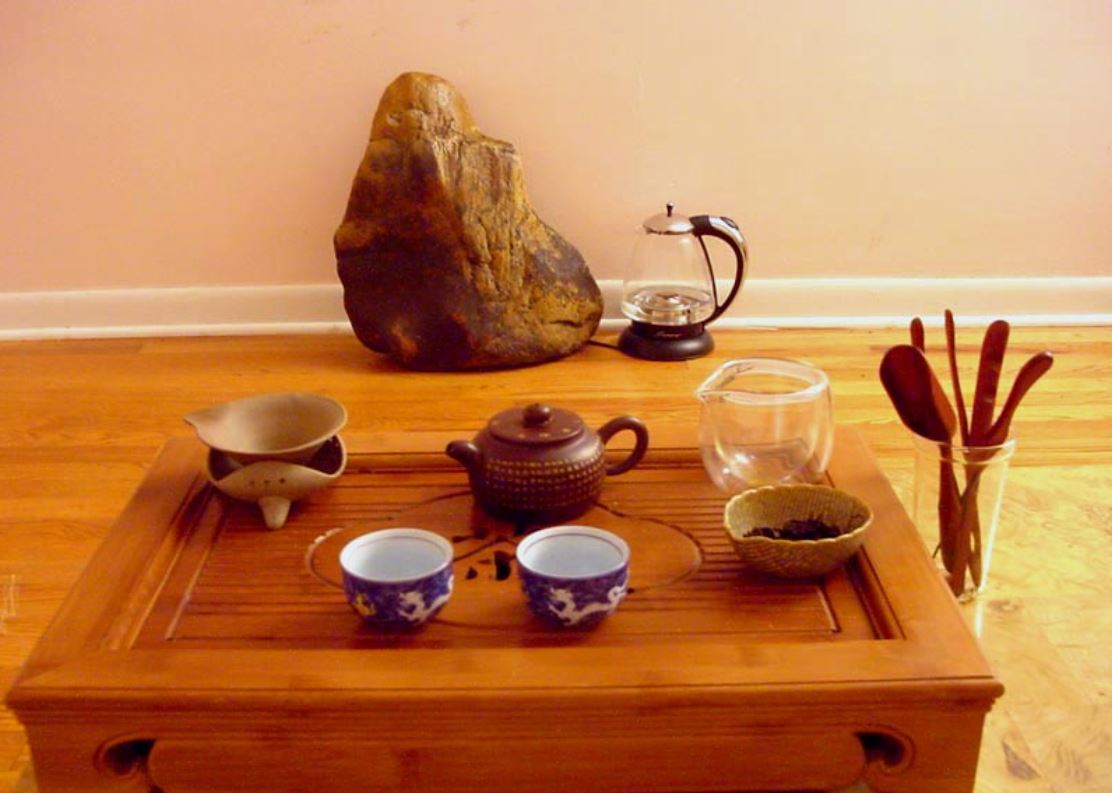
The point is not efficiency. It is attention. You are not multitasking. You are watching the colour of the water change, noticing the way the aroma shifts from cup to cup, and almost without trying, slowing your breathing down in the process.
For practitioners, this is not a ceremonial performance. It is simply how tea is meant to be experienced when you stop treating it as a caffeine delivery mechanism.
The Science Behind the Stillness
There is, as it turns out, decent science behind why tea culture tends to produce calm rather than just alertness. The answer lies in an amino acid called L-theanine, found almost exclusively in tea leaves, which promotes relaxed focus without drowsiness. Paired with a moderate amount of caffeine, the effect is described by researchers as \”alert calm\”, a state quite different from the jittery spike that coffee tends to deliver.
But beyond the chemistry, there is the ritual itself. Psychologists who study habitual behaviour have found that simple, repeated rituals, especially those involving physical actions like pouring and handling objects, measurably reduce anxiety and increase a sense of control. The tea ceremony, in that sense, works on multiple levels at once.
Why Single-Origin Tea Is Having a Moment
The slow tea movement has brought with it a renewed interest in where tea actually comes from, mirroring what happened to coffee culture roughly fifteen years ago, when “single origin” stopped being a marketing word and started being a genuine mark of quality.
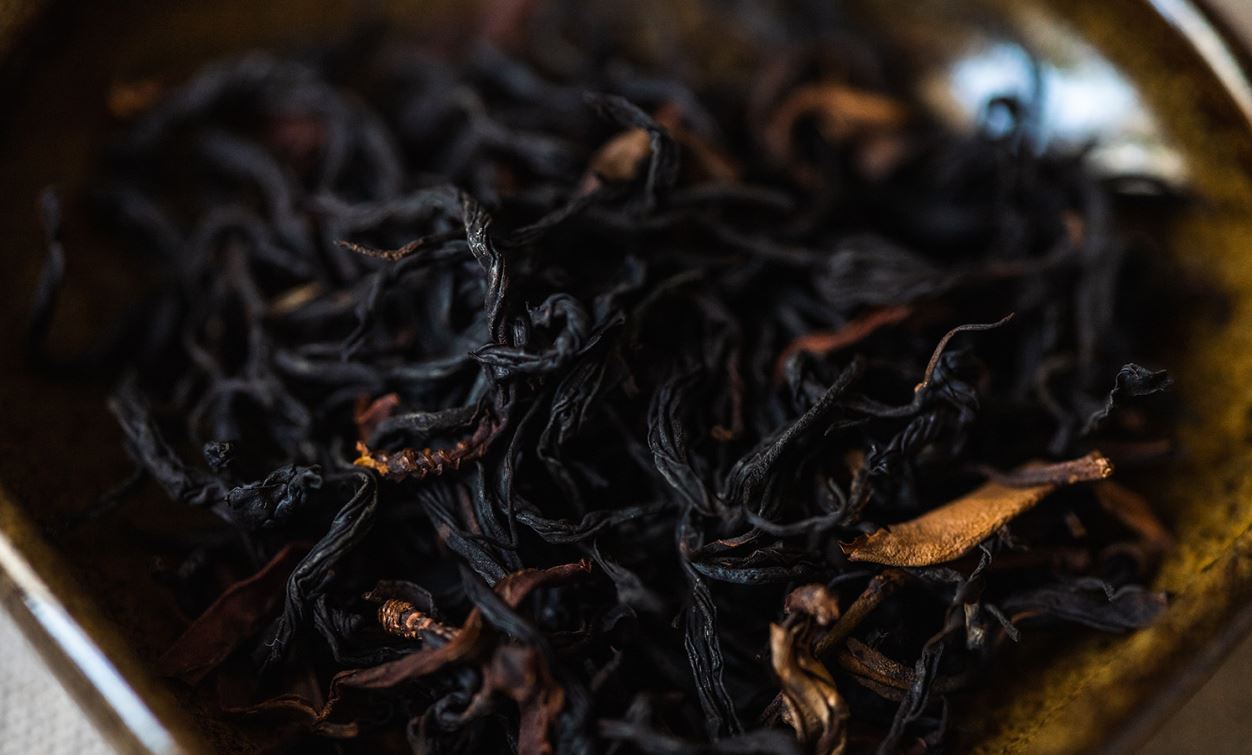
Traditional Chinese teas like aged white teas from Fuding, hand-fired Dragon Well from the West Lake protected zone, and sun-dried red teas from ancient trees in Yunnan are increasingly sought by drinkers who want to know the farm, the harvest year, and sometimes even the farmer behind what they are drinking.
This shift toward traceability is part of what has driven small direct-trade operations to emerge in markets where previously only mass-market tea was available. One example that illustrates this well is Jade & Sakura, a UAE-based shop that sources its teas in person from farms across Fujian, Yunnan, and Zhejiang, tasting each lot at the table before committing to bring it home. It is the kind of approach that would feel entirely at home in specialty coffee, now arriving in tea.
How to Start Without Getting Overwhelmed
The barrier to entry for slow tea is actually very low, though the learning curve can feel steep only because tea has accumulated a lot of vocabulary and ritual around it. In practice, you can start simply:
- Pick one tea and learn it well. A Fuding white tea or a high-grown green tea are forgiving entry points that do not punish mistakes the way oolong or pu’er can.
- Use less tea than you think, and brew shorter. A two-minute steep is often all you need. Multiple short infusions tell you more about a tea than one long one.
- Leave your phone in another room for the first few sessions. The point is presence, not documentation.
- Do not chase the most expensive or exotic option immediately. A well-sourced everyday tea brewed with attention will outperform a rare tea brewed carelessly, every time.
The Bigger Picture
Slow tea sits within a broader shift in how a certain segment of the population is choosing to spend their attention. The same people who moved from fast fashion to considered purchases, from gym memberships to deliberate movement, from streaming everything to finishing one good book. These are people who have started asking what a thing actually is before reaching for it.
Tea has always rewarded that kind of attention. It just took a while for the rest of the world to catch up with what parts of China, Japan, and Taiwan have understood for centuries: that sitting with a cup of tea, properly made, is not wasted time. It is some of the most productive stillness available.
| The quiet resurgence of slow tea is less about tea itself and more about a growing hunger for things that ask something of you: your attention, your patience, your presence. |
Whether you reach for a delicate silver needle white tea or a robust aged pu’er, the entry point is always the same: slow down, pay attention, and pour.
