


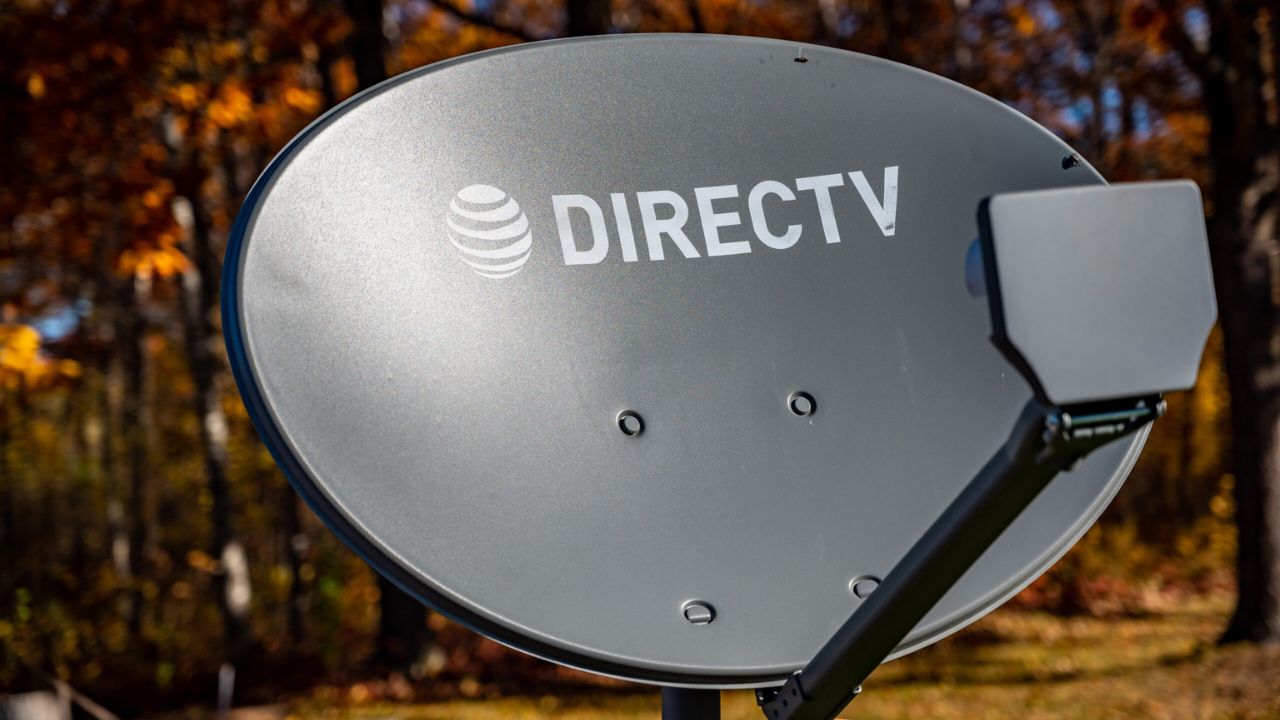
The world of television is evolving faster than ever. With streaming platforms dominating the conversation, many people assume traditional satellite TV is fading away. But the reality is more interesting. Companies like DirecTV are not giving up. Instead, they are upgrading their systems to stay relevant in a digital-first world.
A recent update shows that DIRECTV is actively modernizing its satellite television infrastructure, signaling that traditional TV is not dead. It is simply adapting.
Table of Contents
What DIRECTV Is Changing in Satellite Television
DIRECTV is upgrading how its satellite television system works behind the scenes. The company is moving toward a more streamlined and efficient setup by integrating multiple processes into a single system.
This new approach combines content ingestion, playout, and delivery into one unified platform. Instead of relying on multiple tools and vendors, everything is handled more efficiently in one place.
The result is a cleaner, more manageable system that can adapt quickly as technology and viewer habits continue to change.
In simple terms, DIRECTV is making its backend smarter so that the viewing experience can keep up with modern expectations.
Why This Matters for Television in 2026
Television today is very different from what it was even five years ago. Viewers now expect:
- On-demand content
- Seamless streaming
- High-quality video
- Flexibility across devices
Satellite TV was traditionally built for scheduled broadcasts, not for this level of flexibility. That is why modernization is necessary.
By upgrading its system, DIRECTV is trying to bridge the gap between traditional television and modern streaming services. This means satellite TV can become more responsive, efficient, and easier to manage.
The Bigger Shift: From Satellite to Hybrid TV
What makes this update important is that it reflects a larger trend in the television industry.
DIRECTV is no longer just a satellite provider. Over the years, it has expanded into streaming and hybrid services. Today, it offers both traditional satellite TV and internet-based viewing options.
This hybrid approach allows users to choose how they watch content. Some still prefer satellite for reliability, especially in areas with limited internet access. Others prefer streaming for flexibility.
By modernizing its satellite system, DIRECTV is ensuring that both options can coexist.
How Technology Is Reshaping Television
The modernization of satellite systems is part of a bigger transformation happening across the entire television industry.
Key changes include:
- Cloud-based broadcasting systems
- Integration of live TV and streaming platforms
- Advanced compression for better video quality
- More personalized viewing experiences
Satellite TV is no longer just about broadcasting channels. It is becoming part of a larger ecosystem where content can be delivered in multiple ways.
This shift is essential because competition is stronger than ever. Streaming giants have changed how people consume media, forcing traditional providers to innovate or fall behind.
Challenges Facing Satellite Television
Even with these upgrades, satellite television still faces major challenges.
Streaming platforms offer convenience that traditional TV struggles to match. Users can watch content anytime, anywhere, without needing special hardware like satellite dishes.
There is also the issue of infrastructure. Satellite systems require ongoing investment to maintain and upgrade, which can be expensive.
However, satellite TV still has advantages. It provides stable connections in remote areas and supports large-scale broadcasting without relying on internet speed.
That is why companies like DIRECTV are not abandoning satellite technology. Instead, they are improving it to stay competitive.
What This Means for Viewers
For everyday viewers, these changes may not be immediately visible, but they will have a real impact over time.
A modernized system can lead to:
- Better picture quality
- More reliable service
- Faster updates and feature improvements
- Easier integration with streaming platforms
In other words, the experience becomes smoother and closer to what people expect from modern digital services.
The Future of Television
The future of television is not about choosing between satellite and streaming. It is about combining both.
Companies are moving toward a model where content is delivered through multiple channels, depending on what works best for the user.
DIRECTV’s modernization effort shows that even older technologies can evolve. Instead of being replaced, they are being upgraded to fit into a new digital ecosystem.
Final Thoughts
The latest changes in satellite television highlight an important truth. Television is not disappearing. It is transforming.
DIRECTV’s move to modernize its system shows how traditional TV providers are adapting to new challenges. By improving efficiency and embracing hybrid models, they are finding ways to stay relevant in a streaming-dominated world.
For viewers, this means more choices, better quality, and a more flexible experience. And for the industry, it proves that even in 2026, television is still evolving rather than fading away.
