

Why Car USB Ports Won’t Charge Your Laptop: 7.5W Against the 100W You Need

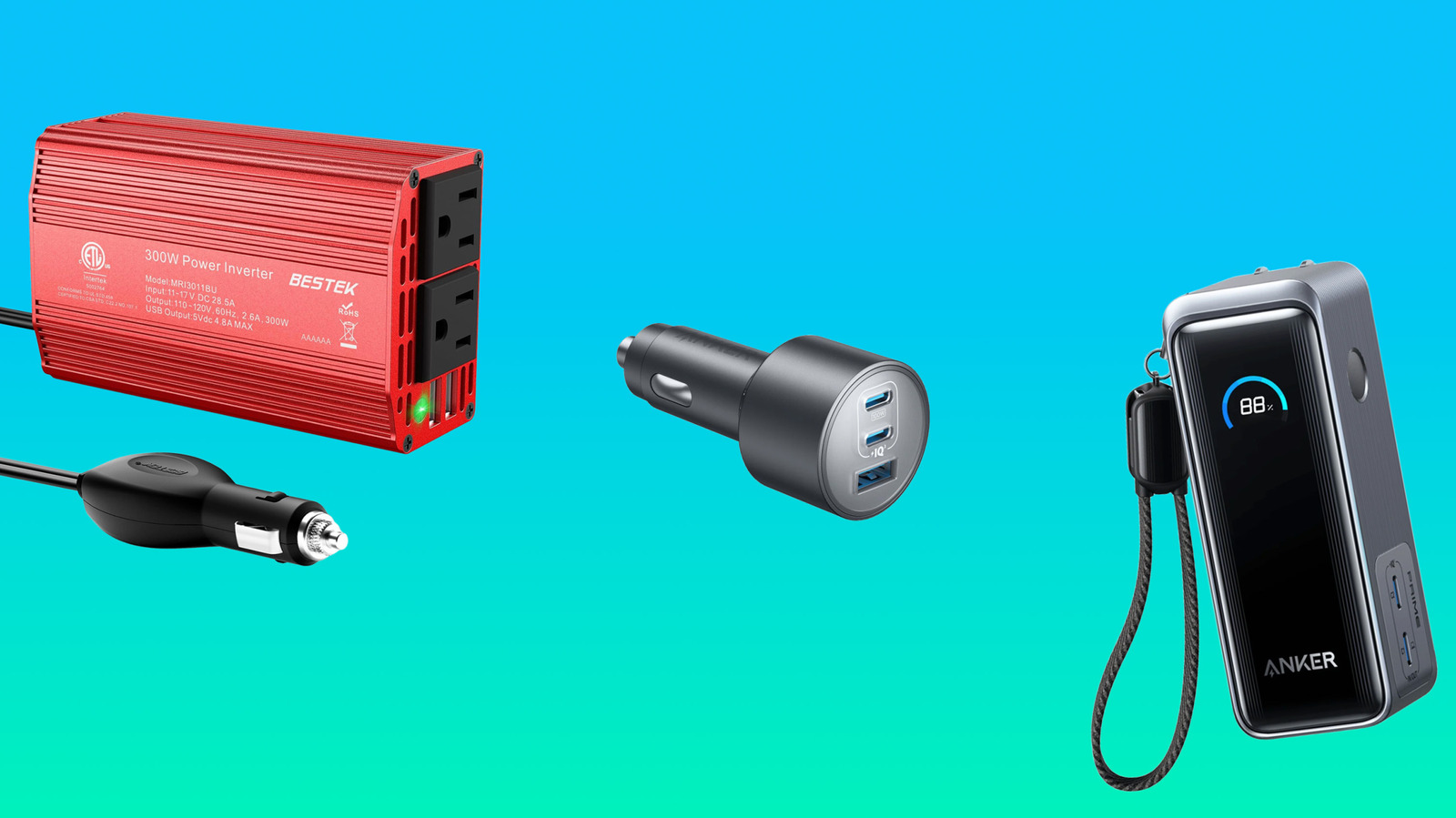
Most car USB ports cannot charge laptops. While convenient for phones, these ports typically supply insufficient wattage. Laptop chargers can demand 40W to over 100W, far exceeding the 5W to 7.5W common for phone charging. This disparity means plugging a laptop into a standard car USB port will likely result in very slow charging, if any at all.
- Standard car USB ports deliver 5W-7.5W, insufficient for laptops.
- Laptops require 40W to over 100W for charging.
- Look for “USB-C Power Delivery” or high-wattage labels in newer vehicles.
- 12V USB-C PD chargers are the recommended alternative for in-car laptop charging.
- Some newer vehicles, particularly EVs, are equipped with higher-wattage USB-C ports.
Table of Contents
Why Car USB Ports Won’t Charge Your Laptop
It is tempting to plug your laptop into a seemingly convenient USB port found in a car’s console or dashboard. However, this setup is often not a viable solution for powering a laptop. While many laptops utilize USB-C for charging, the USB ports provided in most vehicles are designed for lower power devices like smartphones.
These standard car ports typically deliver around 5W to 7.5W. In contrast, modern laptops have significantly higher power demands. For instance, the M5 MacBook Air requires a 40W charger (with a maximum of 60W) and needs at least a 70W USB PD power source for optimal charging.
Similarly, the 14-inch MacBook Pro comes with a 70W charger and benefits from 96W or higher for rapid charging. Many Windows laptops fall within a similar power requirement range.
To determine your laptop’s needs, check the wattage rating printed on its power brick or adapter. Matching this wattage to your charging solution is crucial for effective charging.
Identifying High-Wattage USB-C Ports in Vehicles
Some newer vehicles, especially electric models, are now equipped with more powerful USB-C ports capable of charging laptops. However, drivers should not assume their car has this capability. Instead, a careful inspection is necessary to confirm. Owners should look for specific markings near the port itself.
Alternatively, consulting the vehicle’s owner’s manual can provide definitive information. Look for mentions of “USB-C Power Delivery (PD)” or “high-wattage charging” within the manual’s documentation.
If such specifications are listed, the car’s USB-C port may indeed be suitable for powering a laptop. Without these indicators, it is highly probable that the standard port will not suffice.
The Best Alternative for Laptop Charging in Your Car
For most individuals seeking to charge a laptop in their vehicle, a 12V USB-C PD charger presents the most practical and effective solution. These devices plug into the car’s accessory power outlet, commonly referred to as the cigarette lighter, and are designed to deliver substantially more power than built-in USB ports.
When selecting a 12V charger, it is important to match its wattage to that of your laptop’s original charger. For example, if your laptop uses a 45W or 65W adapter, you should look for a 12V USB-C PD charger that supports at least that wattage range.
This ensures efficient and timely charging for your device. Another alternative is a power inverter, which converts the car’s 12V power to a standard AC outlet, allowing you to use your laptop’s original wall charger directly.
The Evolution of USB Ports in New Cars
The automotive industry is gradually incorporating more USB-C ports into new vehicle models. While some brands have fully transitioned, others still offer a mix of USB-A and USB-C ports, sometimes with limitations on functionality. For instance, certain 2025 Hyundai and Kia models, like the Telluride, feature both USB-A and USB-C ports.
However, in some of these vehicles, only the older USB-A port supports essential functions like Apple CarPlay or Android Auto, while the USB-C port is restricted to charging only.
This approach has drawn criticism, particularly as USB-C becomes the ubiquitous standard for most modern devices. Newer iterations, such as the refreshed Hyundai Santa Cruz, are adopting a simpler configuration with two USB-C ports that handle both data transfer and charging.
BMW’s 2025 X1 and 2 Series models have removed their data ports, offering only two USB-C charging ports in the front and rear.
In contrast, the 2025 BMW X3 is expected to retain USB-C ports with full data support. Automakers like Chevrolet and Ford have largely integrated USB-C connections across their model lineups, indicating a broad industry shift.
Frequently Asked Questions
Can I charge my laptop using my car’s USB port?
Generally, no. Most car USB ports are designed for low-power devices like phones, providing around 5W to 7.5W. Laptops require significantly more power, often 40W to over 100W, making standard car ports insufficient for charging.
How do I know if my car’s USB port can charge a laptop?
Look for labels near the port or consult your owner’s manual for mentions of “USB-C Power Delivery (PD)” or “high-wattage charging.” Newer vehicles, particularly EVs, may have these capable ports.
What is the best way to charge my laptop in my car?
A 12V USB-C PD charger that matches your laptop’s wattage requirements is the most recommended solution. Alternatively, a power inverter allows you to use your laptop’s original wall charger.
Are car manufacturers putting more USB-C ports in new vehicles?
Yes, USB-C ports are becoming more common. While some manufacturers are fully adopting USB-C, others still offer a mix of USB-A and USB-C, with some USB-C ports dedicated solely to charging rather than data transfer.
