


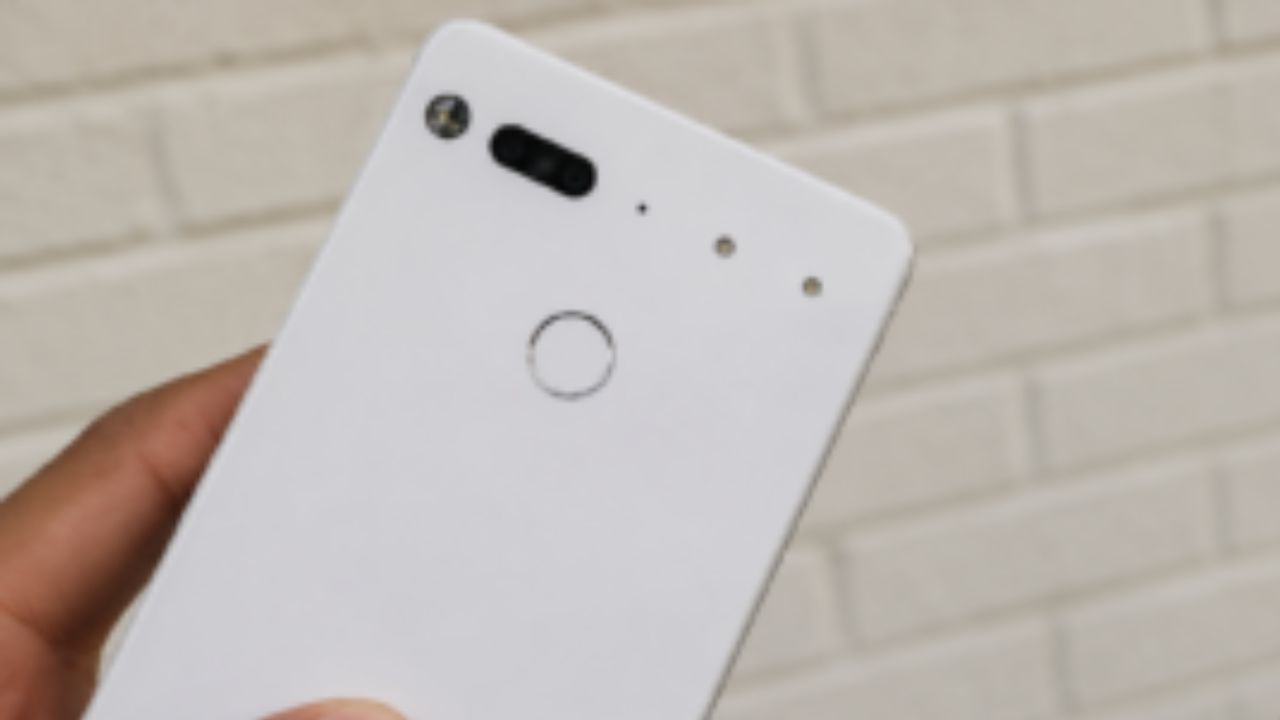
The Essential PH-1 aimed to correct perceived flaws in the Android ecosystem by offering a clean software experience, premium materials, and a forward-thinking design. You can understand its vision and features by examining its design, software approach, and the challenges that ultimately led to the company’s demise.
Table of Contents
The Vision Behind Essential Products
When Andy Rubin founded Essential Products, he drew on a decade of experience building Android. He believed that the existing Android phones offered compromises users shouldn’t have to accept. These included unwanted bloatware, cumbersome manufacturer software skins, and slow, delayed updates.
Furthermore, Rubin was frustrated by accessories becoming obsolete with new hardware generations. Essential Products was established to demonstrate that these compromises were not inevitable. The company set out to deliver a refined Android phone experience.
The goal was a device that prioritized essential features, stripping away the unnecessary. This philosophy was intended to create a more focused and user-friendly smartphone. It was a direct response to the complexities users faced with many Android devices.
Essential PH-1: Design and Features
The Essential PH-1 was positioned as a premium smartphone. It emphasized durability and a distinctive aesthetic in a market where many phones were beginning to look alike. The device featured titanium for its frame and ceramic for its back, offering a unique feel and robust build.
A key design element was its display, which incorporated a compact camera cutout. This design choice, predating the widespread adoption of notches, created an immersive screen experience. The PH-1 was among the first smartphones to adopt this now-common design.
Essential also integrated magnetic pins on the back of the phone. These pins were designed to facilitate the connection of accessories without blocking the USB-C port or requiring a special case. This modular approach aimed to extend the phone’s functionality and longevity.
Essential PH-1: Software and Updates
The Essential PH-1 shipped with a near-stock version of Android 7.1.1. This provided users with a cleaner, less cluttered software experience compared to many other Android phones. Essential committed to significant software support for the device.
The company promised two years of major Android version updates and three years of monthly security patches. Crucially, the PH-1 delivered on this promise. It received both Android 9 and Android 10 on the same day Google released them for its own Pixel phones.
This timely update schedule stood in contrast to the often-delayed updates experienced by users of other Android devices. The PH-1’s software experience aimed to be close to a pure Android environment, minimizing manufacturer customizations.
The Challenges and Demise of Essential Products
Despite its promising start and innovative vision, Essential Products faced significant challenges. Less than three years after its launch, the company ceased operations. The Essential PH-1 struggled to gain traction in a competitive market.
By May 2018, reports indicated that Essential had sold only about 150,000 units of the PH-1. This sales figure was extremely low compared to millions of units sold by successful flagship smartphones. This limited sales volume hindered the company’s ability to fund future development.
The challenges included a troubled launch, disappointing camera performance, limited distribution through a single carrier partner, and an accessory ecosystem that never fully materialized. These factors, combined with other issues, contributed to the company’s eventual shutdown.
Key Features of the Essential PH-1
- Premium Materials: Titanium frame and ceramic back for durability and a distinctive feel.
- Edge-to-Edge Display: Featured a compact camera cutout, pioneering the notch design.
- Near-Stock Android: Shipped with Android 7.1.1, offering a clean software experience.
- Rapid Updates: Received Android 9 and Android 10 on the same day as Google Pixel phones.
- Modular Accessories: Magnetic pins on the back allowed for accessory attachment.
- Disappointing Camera: Early reviews noted its performance lagged behind competitors.
- Price Drop: The initial price of $699 was quickly reduced to $499.
What went wrong with the Essential PH-1?
The Essential PH-1 faced several issues that hampered its success. Its launch was delayed, and the camera performance was consistently criticized as disappointing for a premium device. The initial pricing of $699 was quickly reduced to $499, suggesting a misjudgment of the market.
Distribution was limited to Sprint as the sole US carrier partner, restricting visibility. The ambitious modular accessory ecosystem, while innovative in concept, never fully materialized beyond a few offerings, failing to create a compelling reason for continued adoption.
Ultimately, the combination of a weak launch, underwhelming camera, distribution limitations, and an unfulfilled accessory promise meant the PH-1 could not overcome its initial stumbles. These factors contributed to low sales figures and the eventual demise of Essential Products.
Frequently Asked Questions
What was the main goal of Essential Products?
Essential Products aimed to create a cleaner, more essential Android phone experience. The company sought to eliminate bloatware, manufacturer skins, and delayed updates, focusing on premium hardware and timely software support.
What made the Essential PH-1’s design unique?
The Essential PH-1 featured a durable titanium frame and a ceramic back, setting it apart from typical aluminum and glass phones. Its display was one of the first to adopt a compact camera cutout, maximizing screen real estate.
Did the Essential PH-1 receive timely software updates?
Yes, the Essential PH-1 was notable for its commitment to timely updates. It received major Android version updates, including Android 9 and Android 10, on the same day as Google’s Pixel devices.
Why did Essential Products shut down?
Essential Products shut down due to a combination of factors. These included low sales figures, a disappointing camera, limited distribution, and the failure to deliver on its promised accessory ecosystem, leading to financial difficulties.
What was the biggest disappointment with the Essential PH-1?
The most significant disappointments with the Essential PH-1 were its initially overpriced launch, its underperforming camera system compared to competitors, and the limited realization of its promised modular accessory ecosystem.
