


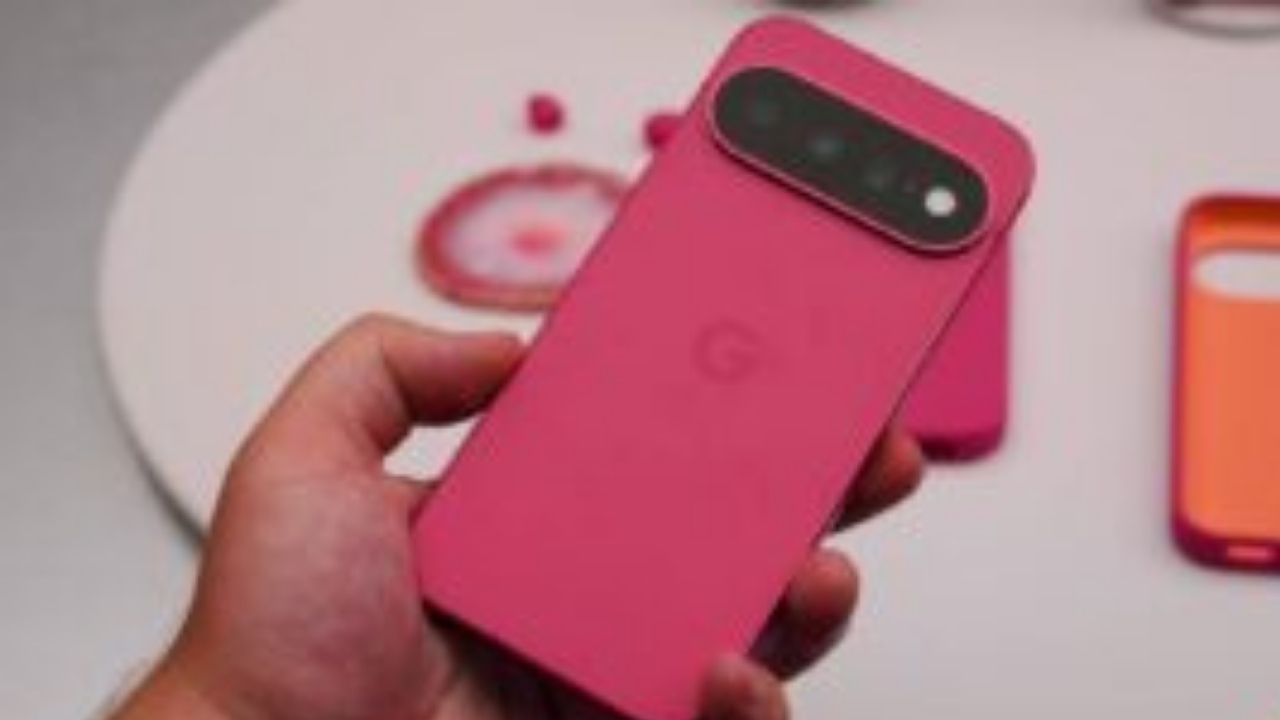
You can assess the graphics and AI performance of your Pixel 11 by running specific benchmarks. The Pixel 11 requires no special software to perform these tests, as the benchmarking applications are readily available on the Google Play Store.
Key Facts:
- The Pixel 11 uses the new Tensor G6 chip.
- This chip is an upgrade from the Tensor G5 in the Pixel 10.
- Graphics performance is a weak point for Pixel phones.
- AI processing also shows a deficit compared to competitors.
- Overall performance trails behind Apple and Samsung flagships.
Table of Contents
Pixel 11 Graphics Performance: Still Falling Short for Gaming
The Pixel 11, like its predecessors, struggles with demanding mobile games due to its graphics performance. While modern Android phones often feature 120Hz screens, the Pixel 11’s Tensor G6 chip cannot consistently deliver high refresh rates for intensive titles.
Competitors like Samsung and Apple chips easily handle games such as Fortnite or Genshin Impact at 120FPS. The Tensor G6 shows some improvement over the Tensor G5, scoring about 100 points higher in the 3DMark Steel Nomad Light benchmark. However, this is not enough to match the gaming capabilities of other flagship phones.
The Tensor G6 features a PowerVR CXTP-48–1536 GPU clocked at 1.29GHz, an improvement over the Tensor G5’s 1.1GHz PowerVR DXT-48-1536. Benchmarks for Geekbench 6 and 7 show the Tensor G6 significantly outperforming the Tensor G5, with the Pixel 11 scoring 60% higher in the Geekbench 6 graphics benchmark.
Despite higher peak performance, the Pixel 11’s Tensor G6 exhibits thermal throttling during sustained loads. In a 20-minute 3DMark Steel Nomad Light stress test, the Pixel 11 achieved a stability score of only 69.2%, indicating it cannot maintain peak performance during long gaming sessions.
Tensor G6 AI Performance: A Step Backwards
The Tensor G6 chip’s performance in on-device AI processing is also a concern, failing to keep pace with competitors from Apple and Qualcomm. Google states the Tensor G6’s fifth-generation tensor processing unit (TPU) offers a 50% performance increase, but benchmark results suggest otherwise.
In the Geekbench AI quantization test, which assesses a phone’s ability to run on-device AI models using lower-precision integers, the Tensor G6 came in last among tested devices. The Pixel 11 Pro Fold scored over 1,000 points lower than the second-to-last phone, the Motorola Razr Fold, which uses a base Snapdragon 8 Gen 5 chip.
Flagship chips like the Snapdragon 8 Elite Gen 5 and Apple A19 Pro performed significantly better. The Samsung Galaxy S26 Ultra and iPhone 17 Pro Max scored more than double the Pixel 11 Pro Fold in AI benchmarks. This indicates a substantial deficit in AI processing power for the Pixel 11.
Further concerns arise from changes in RAM configuration, with some Pixel 11 Pro models starting at 12GB of memory, a reduction from the 16GB found in the Pixel 10 series. Google’s increasing reliance on cloud processing for features like Magic Capture also raises questions about the long-term viability of the Tensor G6’s on-device AI capabilities.
Pixel 11 Overall Performance: Where Does It Stand?
While the Tensor G6 shows slight performance boosts in specific areas, the Pixel 11 series generally falls short of the overall performance offered by iPhones and Samsung Galaxy devices. Even basic CPU performance shows the Tensor G6 struggling against higher-tier chips.
In single-core CPU tests using Geekbench 7, the Tensor G6 holds its own against the base Snapdragon 8 Gen 5. However, the Snapdragon 8 Gen 5 leads in multi-core workloads due to having eight cores compared to the Tensor G6’s seven.
Google’s Tensor G6 CPU configuration includes one Arm C1-Ultra big core, four Arm C1-Pro cores, and two Arm C1-Pro efficiency cores.
When compared to the flagship Snapdragon 8 Elite Gen 5 for Galaxy, the Tensor G6 significantly underperforms. The Samsung Galaxy S26 Ultra achieved 3,606 points in Geekbench 6’s single-core CPU test, while the Pixel 11 Pro Fold reached only 2,655 points.
In graphics tests, the disparity is even more pronounced, with the Galaxy S26 Ultra scoring 202% higher than the Pixel 11 Pro Fold.
The Apple A19 Pro chip in the iPhone 17 Pro Max also surpasses the Tensor G6 in every benchmark category. While Apple and Qualcomm are closely competing, Google’s Tensor chips continue to lag behind. For mobile gamers prioritizing graphics and high refresh rates, a Galaxy or iPhone would be a more suitable choice.
Pixel 11 Features and Value Proposition
Despite its performance shortcomings, the Pixel 11 offers a compelling overall software experience that may appeal to users who prioritize Google’s AI features and user interface over raw power. The base Pixel 11, priced at $900, provides a solid Android flagship experience.
The device features a sleek design with a slimmer camera bar and is powered by the same Tensor G6 processor found throughout the series. For users not engaged in heavy mobile gaming or intensive AI tasks, the Pixel 11’s performance is sufficient for daily operations.
The Samsung Galaxy S26, for comparison, features a 6.3-inch 120Hz display, a Snapdragon 8 Elite Gen 5 chip, and a 4,300 mAh battery. It also includes a 50MP main camera and 256GB of base storage, focusing on fast daily performance and a slim 7.2mm profile.
While benchmarks may show the Pixel 11 trailing behind competitors, its strength lies in its seamless integration of AI into everyday tasks. Features like Gemini Intelligence and improved camera capabilities offer a user-friendly experience, making it a strong contender for those who value software optimization and AI assistance.
Frequently Asked Questions
Can the Pixel 11 handle demanding mobile games?
The Pixel 11 can run demanding mobile games, but it may struggle to maintain high refresh rates during extended play sessions due to thermal throttling. For the best mobile gaming experience, other flagship phones may offer superior performance.
How does the Tensor G6’s AI performance compare to competitors?
The Tensor G6 shows a noticeable deficit in on-device AI processing compared to the latest chips from Apple and Qualcomm. Benchmarks place it significantly behind competitors like the Snapdragon 8 Elite Gen 5 and Apple A19 Pro.
Does the Pixel 11 offer good overall performance?
While the Pixel 11 performs adequately for daily tasks, its overall performance, particularly in graphics and AI, lags behind flagship phones from Samsung and Apple. CPU performance is competitive in single-core tasks but falls behind in multi-core workloads.
Is the Pixel 11 worth buying for gamers?
If top-tier mobile gaming performance and high refresh rates are your priority, a Google Pixel 11 might not be the best choice. Devices from Samsung or Apple generally offer a more consistent and powerful gaming experience.
What are the main advantages of the Pixel 11?
The Pixel 11 excels in its overall software experience, user-friendly AI integration, and camera capabilities. For users who prioritize smart features and a smooth interface over peak gaming performance, the Pixel 11 remains a strong option.
