


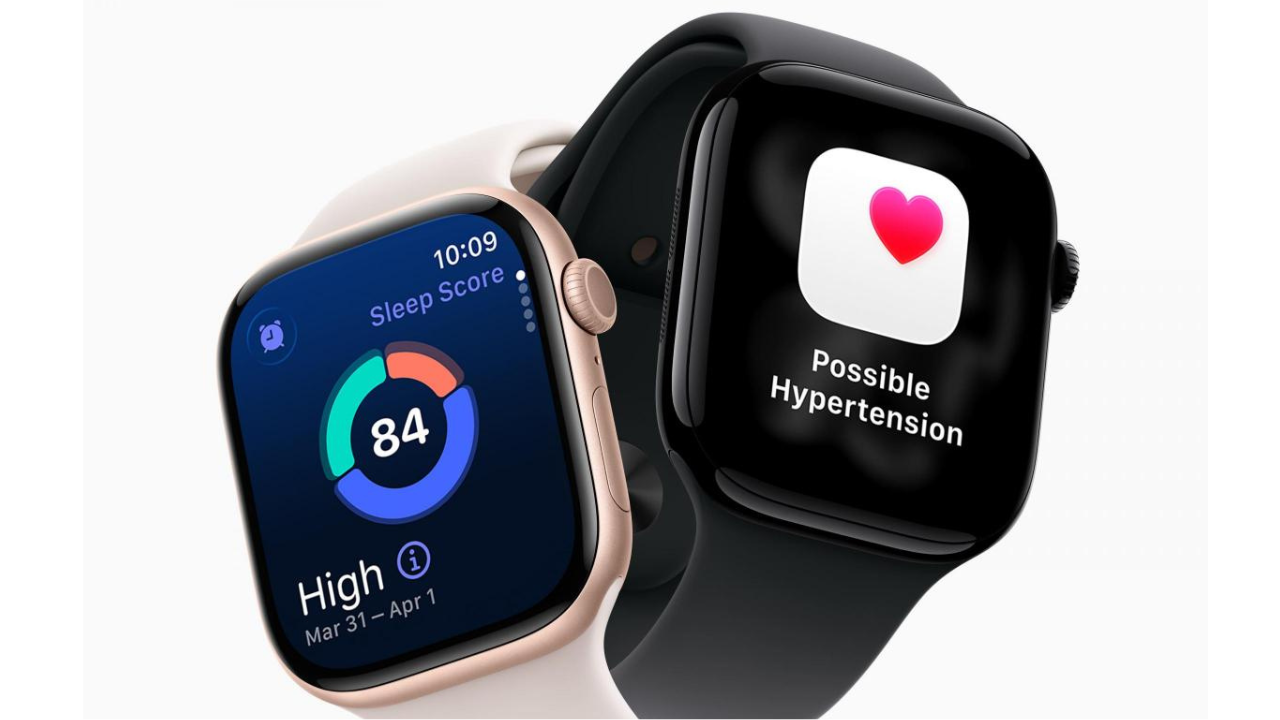
Apple has unveiled a groundbreaking addition to its smartwatch lineup: a feature designed to help detect signs of high blood pressure. Announced at Apple Park in Cupertino, the update reflects Apple’s ongoing efforts to position the Apple Watch as more than a fitness tracker while transforming it into a tool for preventive health monitoring.
Table of Contents
A Growing Focus on Heart Health
The Apple Watch has steadily expanded its health-related features over the years. From heart rate monitoring to atrial fibrillation detection, it has become a popular device for early health awareness. Now Apple is turning its attention to hypertension, a condition that often goes undiagnosed but poses serious long-term risks.
High blood pressure, often referred to as a “silent killer,” can lead to stroke, heart disease, and kidney damage if left unmanaged. By integrating hypertension detection into a widely used consumer device, Apple hopes to alert millions of users who may otherwise remain unaware of their condition.
How the Feature Works
According to Apple’s Vice President of Health Sumbul Desai, the feature uses an algorithm that analyzes how blood vessels respond to heartbeats. It does not provide instant blood pressure readings but instead monitors patterns over a 30-day period. If consistent signs of high blood pressure are detected, the watch notifies the wearer.
The models behind the feature were trained on data from over 100,000 participants. While Apple acknowledges the tool will not detect every single case, the company estimates it could notify more than one million users within the first year.
Expert Opinions and Concerns
Medical experts are cautiously optimistic. Cardiologist Sanket Dhruva of the University of California, San Francisco, praised the innovation but emphasized the need for accuracy. “Addressing hypertension is critical,” he noted. “But it is important to know how accurate the diagnosis of hypertension will be.”
Similarly, Yale cardiologist Rohan Khera highlighted the potential of reaching younger populations who may not regularly visit doctors. However, he also pointed out the risk of false positives, which could create unnecessary anxiety among low-risk individuals.
Regulatory and Competitive Landscape
Apple expects clearance from the U.S. Food and Drug Administration (FDA) soon, with the feature rolling out this month to the Apple Watch Series 9, Apple Watch Ultra 2, and newer models.
The move comes as blood pressure monitoring becomes a key battleground in the wearable technology market. Rival brands like Whoop and Aktiia have also pursued similar features. While Whoop has faced FDA scrutiny for marketing its blood pressure tool without regulatory approval, Aktiia received FDA clearance for its wearable in July, though its U.S. launch is not expected until 2026.
Apple has also dealt with patent challenges in the past. The company was forced to remove blood oxygen tracking after losing a legal battle with medical device maker Masimo. Industry observers believe blood pressure detection could spark similar disputes as Apple enters deeper into the medical technology space.
Looking Ahead
The introduction of blood pressure detection highlights Apple’s long-term strategy of integrating health technology into everyday consumer products. While questions remain about accuracy and clinical reliability, the sheer reach of the Apple Watch positions it as a powerful tool in raising awareness about hypertension.
If successful, this feature could help millions of people take proactive steps toward managing their health and reinforce Apple’s role at the intersection of technology and healthcare.
