

Snapdragon X2 Elite vs Intel Core Ultra: ASUS vs Lenovo laptops Q2 2026

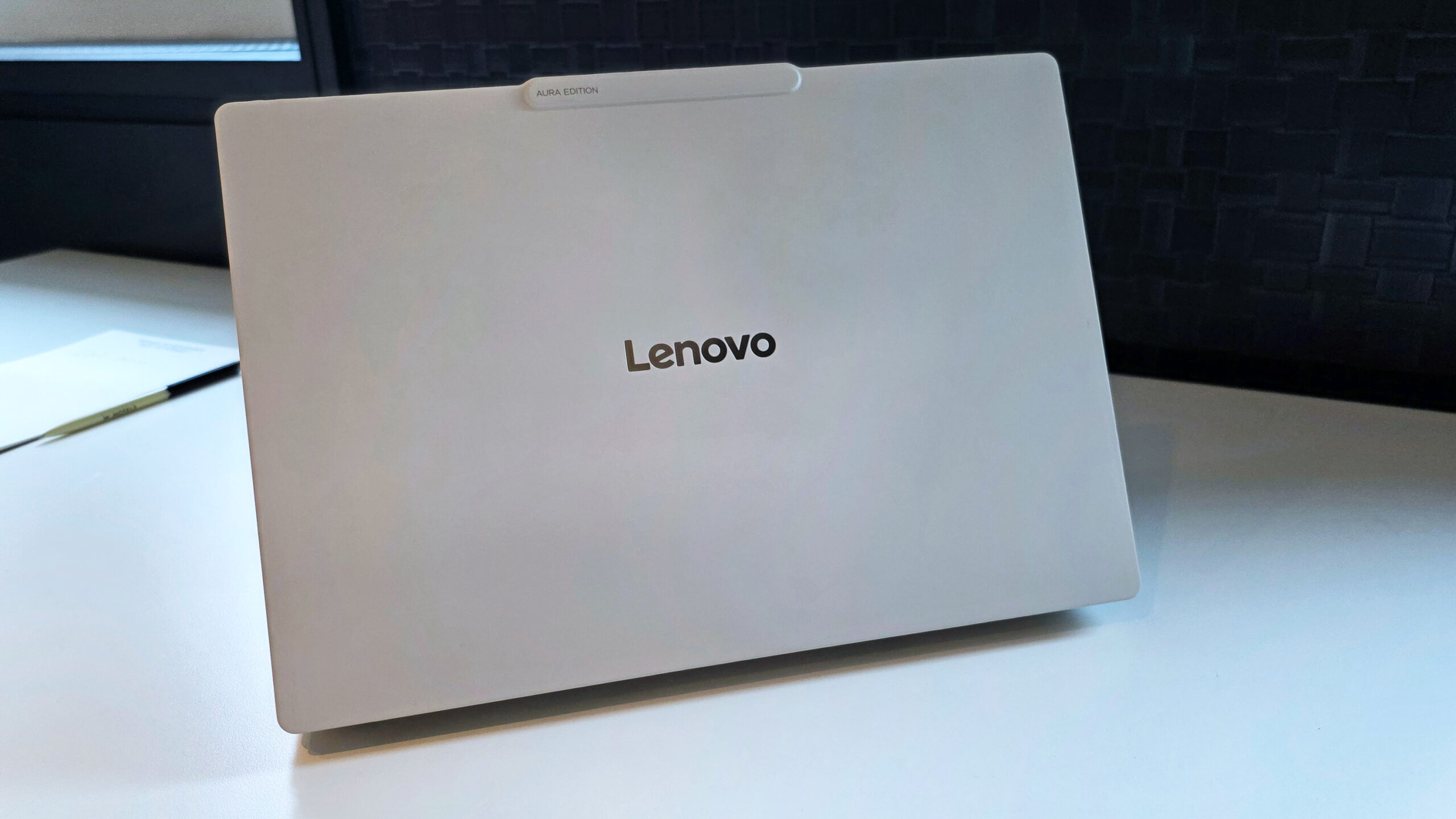
The ASUS Zenbook A14 is the budget-friendly choice for portable productivity, while the Lenovo Yoga Slim 7i Ultra Aura Edition is the premium option for creators, with the deciding factor being display quality and overall features.
| Feature | ASUS Zenbook A14 | Lenovo Yoga Slim 7i Ultra Aura Edition |
|---|---|---|
| Chipset | Snapdragon X2 Elite | Intel Core Ultra Series 3 “Panther Lake” |
| Display Size | 14-inch | 14-inch |
| Display Resolution | 1920×1200 (FHD+) OLED | 2880×1800 (2.8K) pOLED |
| Display Refresh Rate | 60Hz | 120Hz |
| Display Brightness | 600 nits (HDR) | 1100 nits (HDR) |
| Starting Price | Expected to be more affordable | $1,499.99 |
| Launch Window | Q2 2026 | Q2 2026 |
Table of Contents
Design and Display Showdown
The ASUS Zenbook A14 offers a slightly smaller footprint than the Lenovo Yoga Slim 7i Ultra Aura Edition, though it is approximately 13 grams heavier. Both laptops feature 14-inch displays. The Lenovo model boasts a high-resolution 2.8K pOLED display with a 120Hz refresh rate and 1100 nits peak brightness, aimed at creators.
In contrast, the Zenbook A14 is equipped with a 1920×1200 FHD+ OLED panel. This display operates at a 60Hz refresh rate and offers 600 nits of peak brightness. While the Zenbook’s display is more budget-conscious, the Lenovo’s superior resolution and refresh rate make it a stronger choice for visual professionals.
Lenovo’s Yoga Slim 7i Ultra Aura Edition utilizes a durable pOLED panel, while the Zenbook A14 uses standard OLED technology. Both displays have a glossy finish. The Lenovo’s higher specifications cater to users who prioritize visual fidelity and a smoother viewing experience.
Performance and Power: Snapdragon vs. Intel
The ASUS Zenbook A14 will be powered by Qualcomm’s Snapdragon X2 Elite chips. These processors are designed for efficiency and strong productivity performance, featuring an 18-core configuration and an NPU capable of 80 TOPS for AI tasks.
Lenovo’s Yoga Slim 7i Ultra Aura Edition is equipped with Intel’s Core Ultra Series 3 “Panther Lake” mobile chips.
These processors offer significant advancements, particularly in integrated graphics, with options including up to a 16-core Core Ultra X7 385H and an Arc B390 integrated GPU with performance nearing an RTX 4050. The Intel platform also includes an NPU with 50 TOPS.
While Snapdragon X2 chips generally provide excellent productivity and efficiency, Intel’s Panther Lake is expected to deliver superior GPU performance. Both platforms are using the latest hardware, and direct benchmarking will reveal the nuanced performance differences, especially regarding gaming and emulation.
Premium Features and Value Proposition
The ASUS Zenbook A14, now in its second generation, is positioned as the more affordable option for budget-conscious shoppers. It is expected to retain the excellent design of its predecessor, making it ideal for users who prioritize portability and value.
Conversely, the Lenovo Yoga Slim 7i Ultra Aura Edition is targeted towards users seeking more premium features and Intel hardware.
This includes a higher-resolution display, a more robust speaker system with 8W total output, and a superior 5MP webcam with an IR sensor for Windows Hello. Lenovo has announced a starting price of $1,499.99 for this model.
The Zenbook A14 is anticipated to launch at a lower price point than the Yoga laptop. While its display, speakers, and webcam are considered less impressive than Lenovo’s offering, it remains a strong contender for those needing a reliable and lightweight PC for work and travel.
Release Date and Pricing
Both the Lenovo Yoga Slim 7i Ultra Aura Edition and the ASUS Zenbook A14 were unveiled at CES 2026. Both featherlight 14-inch laptops are currently expected to launch in the second quarter of 2026.
Lenovo has indicated a starting price of $1,499.99 for the Yoga Slim 7i Ultra Aura Edition. However, this price may be subject to change due to potential DRAM and NAND shortages. This positions the Lenovo as the premium-priced option.
The ASUS Zenbook A14 is expected to be the more affordable PC of the two. Based on its predecessor, the original Zenbook A14, which launched in 2025, the 2026 model is anticipated to offer a more budget-friendly price point compared to Lenovo’s offering.
Frequently Asked Questions
Which laptop is better for creators?
The Lenovo Yoga Slim 7i Ultra Aura Edition is better for creators due to its high-resolution 2.8K pOLED display, 120Hz refresh rate, 1100 nits peak brightness, and more powerful Intel Panther Lake integrated graphics.
Which laptop is better for budget shoppers?
The ASUS Zenbook A14 is the better choice for budget shoppers, as it is expected to launch at a more affordable price than the Lenovo Yoga Slim 7i Ultra Aura Edition.
What is the starting price for the Lenovo Yoga Slim 7i Ultra Aura Edition?
Lenovo has mentioned a starting price of $1,499.99 for the Yoga Slim 7i Ultra Aura Edition, though this is subject to change.
What processors do these laptops use?
The ASUS Zenbook A14 uses Qualcomm Snapdragon X2 Elite chips, while the Lenovo Yoga Slim 7i Ultra Aura Edition uses Intel Core Ultra Series 3 “Panther Lake” mobile chips.
Buy the ASUS Zenbook A14 if: you need a lightweight laptop that balances portability with productivity at a more affordable price point, and you are comfortable with a lower-resolution display and fewer premium features. Its Snapdragon X2 chip offers great efficiency for everyday tasks.
Buy the Lenovo Yoga Slim 7i Ultra Aura Edition if: you prioritize a superior visual experience with a high-resolution, high-refresh-rate display, and you require more premium features like a better webcam and robust audio, and you are willing to pay a higher starting price of $1,499.99 for these enhancements.
